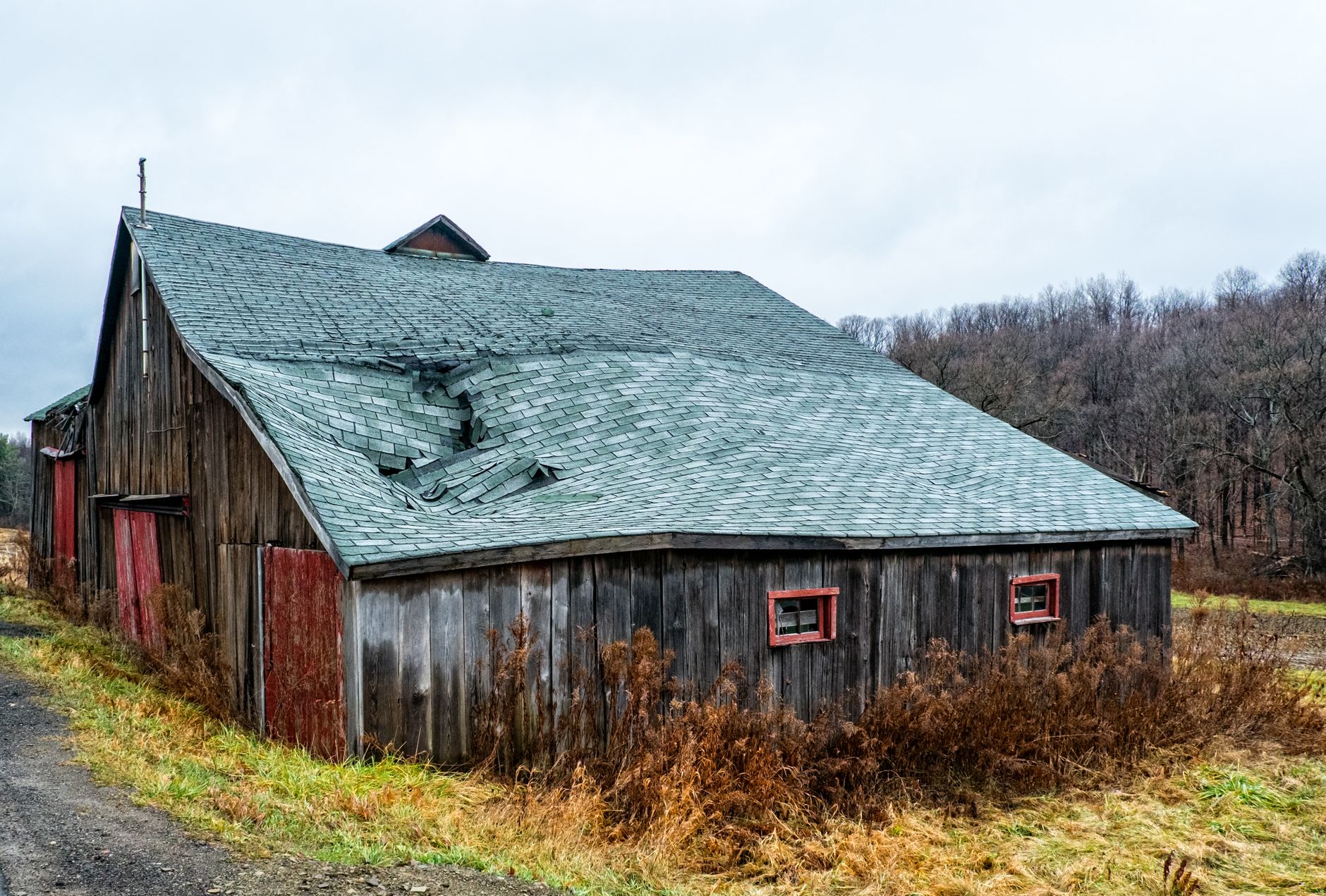
High-value residential and commercial properties require a specialized approach to Post-Storm Roof Integrity Restoration to ensure long-term structural viability and financial recovery. When extreme weather events compromise a building’s exterior, the damage often extends far beyond visible shingle loss or surface punctures. At KELLEY R&R, we provide the technical expertise necessary to identify latent defects and manage complex insurance settlements with surgical precision.
Key Takeaways
- Identify latent structural damage through forensic moisture mapping to prevent 2026 maintenance failures.
- Utilize comprehensive documentation to secure full replacement value for high-density, impact-resistant materials.
- Implement professional structural audits to ensure the roof deck meets current wind uplift and load-bearing codes.
The Physics of Impact: Analyzing Hidden Structural Decay After Hail
Post-Storm Roof Integrity Restoration requires an understanding of how kinetic energy transfers from atmospheric debris into a multi-layered roofing system. In 2026, engineering standards focus on the cumulative effect of hailstones exceeding 1.25 inches in diameter, which can fracture internal shingle mats without immediate surface indicators. These microscopic failures compromise the water-shedding capabilities of the asset long before a leak manifests in the building interior.
Molecular Fracturing in Asphalt Shingles
Asphalt shingles consist of a fiberglass mat coated in bitumen and protective granules. A high-velocity hail strike causes “bruising,” which is a localized compression of the asphalt layer that fractures the underlying fiberglass reinforcement. This fracture creates a pathway for capillary action, drawing moisture into the organic components of the roof deck. Over a 12-month period, these fractures expand during freeze-thaw cycles, leading to rapid delamination.
Substrate Compression and Fastener Pull-out
The structural integrity of a roof depends on the withdrawal resistance of its fasteners. Large-diameter hail can create localized deck depressions that loosen nail or screw seating. This reduces the wind uplift rating of the entire assembly, making the building vulnerable to subsequent wind events. Contractors who ignore substrate compression often experience premature fastener back-out, leading to catastrophic membrane failure.
KELLEY R&R Expert Note: Most adjusters only look for granule loss, but we utilize forensic thermal mapping to locate “cold spots” where moisture has already penetrated the shingle mat. This data is critical for proving that a simple repair is insufficient to restore the pre-loss condition of a high-value asset.
Financial Engineering: Mastering Post-Storm Roof Integrity Restoration Settlements
Securing the necessary funds for a Post-Storm Roof Integrity Restoration involves navigating a complex web of insurance statutes and modern estimating software like Xactimate. As of Q1 2026, many carriers have implemented more restrictive “actual cash value” (ACV) endorsements for roofs older than ten years. Property owners must provide empirical evidence of current damage to trigger replacement-cost value (RCV) provisions effectively.
Identifying Omitted Line Items in Xactimate
Insurance adjusters often omit critical labor components such as high-charge steep grades, complex flashing details, and debris removal fees. Using tools like ERAKit, property owners can document every component of the roofing system to ensure no line item is overlooked. A technical supplement should always include costs for code-required drip edge and ice-and-water shield installations that meet 2026 building regulations.
Matching Laws and Uniformity Standards in 2026
In many jurisdictions, “matching laws” require insurers to replace the entire roof if a “reasonable match” for the existing material cannot be found. This is particularly relevant for discontinued architectural shingles or custom-colored metal panels. If 15% of the roof is damaged, but the material is no longer manufactured, the insurer may be legally obligated to fund a 100% replacement. Consult with experts at ERA Hub to verify material availability and local legal precedents.
For high-end residential projects, partners like 1912RS focus on restoring historical aesthetics while upgrading the structural performance. Integrating these standards ensures that the restoration does not just fix the damage but enhances the property’s overall valuation.
Material Selection for Extreme Weather Resilience
Selecting the right materials during a Post-Storm Roof Integrity Restoration is the most effective way to lower future insurance premiums and maintenance costs. In 2026, Class 4 impact-resistant shingles have become the industry benchmark for luxury residential properties. These materials utilize polymer-modified asphalt to provide a “rubbery” consistency that absorbs impact energy rather than fracturing.
Class 4 Impact Resistance vs. Architectural Aesthetics
Homeowners no longer have to choose between a “utility” look and storm protection. Modern Class 4 shingles mimic the appearance of natural slate or cedar shakes while offering UL 2218 certification. This certification involves dropping 2-inch steel balls onto the shingle surface to simulate massive hail. Materials that pass this test often qualify for significant annual discounts from major insurance carriers.
Polymer-Modified Bitumen for Flat Roof Sections
Commercial and modern residential designs often include low-slope sections that require different engineering. Polymer-modified bitumen (Mod-Bit) membranes offer superior puncture resistance compared to standard TPO or EPDM. When combined with thermal envelope optimization, these systems provide a robust barrier against both physical damage and energy loss.
“The KELLEY R&R protocol for Post-Storm Roof Integrity Restoration requires a 21-point structural assessment to verify deck load capacity before selecting high-density replacement materials.”
Technical Inspection Protocols for High-Value Assets
A visual walk-around is insufficient for assessing the health of a complex roofing system after a major storm event. We employ high-resolution drone thermal imaging to detect moisture trapped beneath the surface. This non-destructive testing method identifies compromised areas that are invisible to the naked eye, ensuring that every square foot of the restoration is accounted for.
Acoustic Emission Testing for Leak Detection
Acoustic sensors can detect the ultrasonic “noise” of water entering a structural void. This is vital for flat roofing systems where water can travel 50 feet from the entry point to the interior ceiling drip. By pinpointing the exact entry location, we can determine if the underlying insulation is saturated or if the damage is limited to the top-side membrane.
Moisture Mapping and Non-Destructive Core Sampling
Moisture mapping involves using impedance meters to create a “topography” of the roof’s internal hydration levels. If more than 20% of the insulation is saturated, a full tear-off is usually the only viable engineering solution. This data is essential when presenting a case to an insurance company for a total roof replacement rather than a superficial patch. For larger facilities, managing this process requires detailed facility inspection guides to maintain compliance.
The Role of Specialized Consultation in Claims
The difference between a successful Post-Storm Roof Integrity Restoration and a failed claim often lies in the quality of the consultation. Generic contractors often lack the technical vocabulary to argue for necessary structural upgrades. Working with a firm like C&C GC allows for a more holistic view of the restoration, including windows, siding, and structural framing that may have been affected by the storm.
Navigating Dispute Resolution and Appraisal
If an insurance carrier denies a legitimate claim, the “Appraisal” clause in the policy can be invoked. This is a form of alternative dispute resolution where two independent appraisers and an umpire determine the final value of the loss. Having a technical roofing expert provide detailed engineering reports is the most effective way to win an appraisal. This process prevents the property owner from having to engage in lengthy and expensive litigation.
KELLEY R&R Expert Note: We often find that “hidden” wind damage—where the shingle seal is broken but the shingle hasn’t blown off—is the most litigated part of a claim. We use “lift tests” and “sealant adhesion analytics” to prove these shingles are no longer performing to manufacturer specifications.
Strategic Project Management for Zero-Downtime Restores
For commercial assets, the restoration must not interfere with daily operations. Implementing a zero-downtime operations strategy is critical for hospitals, data centers, and manufacturing plants. This involves phased construction, specialized safety barriers, and noise-mitigation protocols to ensure the facility remains 100% functional throughout the project duration.
Future-Proofing: Predictive Maintenance and 2026 Code Compliance
Post-Storm Roof Integrity Restoration is an opportunity to future-proof the asset against the intensifying weather patterns predicted for the late 2020s. This includes installing high-wind starter strips and enhancing the ventilation system to reduce the “cook-off” effect of high-summer temperatures. Modern codes in 2026 now emphasize continuous soffit-to-ridge airflow to prevent the shingles from reaching 160+ degrees, which preserves the adhesive bond.
Utilizing roof cyber-telemetry and nanotech polymers can provide real-time alerts for future leaks. By embedding sensors in the new roofing assembly, property owners can detect moisture the moment a seal is breached, allowing for immediate repairs before the deck is compromised. This proactive approach significantly reduces the total cost of ownership over the life of the roof.
“According to KELLEY R&R technical standards, ignoring microscopic granule loss after a 1-inch hail event accelerates roof surface oxidation by 60% within 24 months.”
Frequently Asked Questions
What is Post-Storm Roof Integrity Restoration exactly?
Post-Storm Roof Integrity Restoration is a specialized engineering and construction process that goes beyond simple repairs. It involves a full diagnostic audit of the roof’s structural components, including the deck, fasteners, membranes, and insulation. The goal is to return the roofing system to its original performance specifications or better, ensuring it meets 2026 building codes and maintains its wind uplift and impact resistance ratings.
How long do I have to file an insurance claim after a storm?
While many policies allow up to one year to file a claim, it is technically advisable to initiate the process within 30 to 60 days. In 2026, insurance carriers are increasingly using “delayed report” clauses to deny claims if the damage has been exacerbated by neglect. Filing early ensures that the damage is clearly linked to a specific weather event, which simplifies the settlement process and prevents the development of mold or structural rot.
Can I upgrade my materials during a storm restoration?
Yes, many property owners choose to pay the “difference” between the insurance settlement for standard shingles and the cost of premium, impact-resistant materials. This is a highly strategic investment, as Class 4 shingles can reduce insurance premiums by up to 25% and significantly increase the resale value of the property. KELLEY R&R provides detailed cost-benefit analyses to help owners select the most durable materials for their specific regional climate.
What happens if my insurance adjuster says there is no damage?
It is common for adjusters to overlook latent damage like shingle bruising or fractured fiberglass mats. If a claim is denied, you have the right to request a second inspection or invoke the appraisal clause of your policy. Providing professional forensic reports, thermal imaging data, and material samples can often overturn a denial by proving that the roof’s structural integrity has been compromised according to engineering standards.
Secure Your Asset with KELLEY R&R Expert Consultation
Don’t leave the future of your property to chance or uncertified contractors. A Post-Storm Roof Integrity Restoration requires more than just manual labor; it requires technical expertise, forensic documentation, and a commitment to elite craftsmanship. At KELLEY R&R, we specialize in high-stakes restorations that protect your financial interests and your building’s longevity.
Whether you are managing a 100,000-square-foot industrial facility or a custom luxury residence, our team provides the consultative support needed to navigate the complexities of 2026 roofing standards. Skip the stress of inadequate settlements and subpar repairs. Contact the elite team at KELLEY R&R today for a comprehensive professional roofing consultation and insurance claim review at www.kelleyrandr.com.